
Saxophone and Music Therapy
By: Ashton Becks, MT Intern
Circa 2014, 6th grade Ashton was ready to join the school band. After trying a few instruments, trumpet, clarinet, tuba, he landed on the saxophone. Why? Because he thought it was super cool! Shocker, right?
Even though I really didn’t make an educated decision when choosing the saxophone as my primary instrument, I have grown to love it so dearly over the past 11 years. I played through middle and high school, and I continued in college. I played in marching band, wind ensemble, jazz band, pep band, church events, weddings, recitals, you name it! But while studying music therapy in college, I never really had the thought of incorporating it into my sessions. After all, I was learning guitar, piano, handheld and auxiliary percussion; saxophone was for my band classes. Not only that, but all my peers were vocal primaries. I just kind of wrote it off and didn’t put much thought into it.
Luckily, PMT has one trombone primary and one viola primary! They were thrilled to hear I played saxophone and encouraged me to think of ways to incorporate it into my sessions. It is actually an American Music Therapy Association (AMTA) Professional Competency to demonstrate strong knowledge, musicianship, and proficiency on a primary instrument. So, with a little creativity, we came up with some ways to use the saxophone to help clients achieve their therapeutic goals!
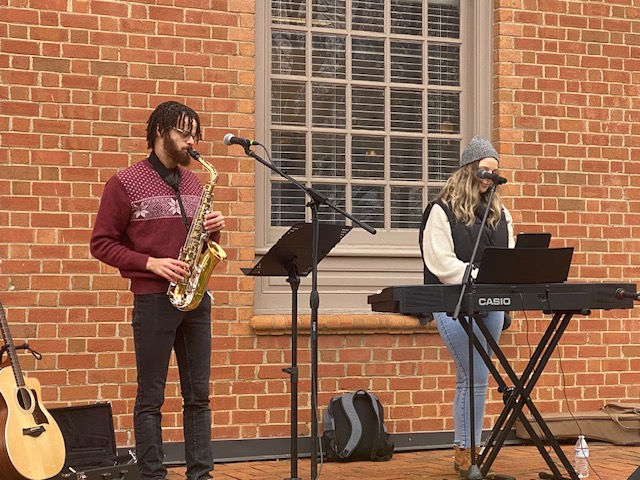
I’ve also used the saxophone to augment a solo turn-taking activity with a xylophone. Tennessee Ernie Ford - 16 Tons has an iconic clarinet line that was implemented as a cue to switch soloists. I also used the saxophone to accompany my supervisor's guitar playing and voice. Definitely a fun one! My supervisor hopped in on her trombone, too!
Another song with a familiar melody is Simple Gifts. The sweet message of contentment in the simple things in life is a grounding song for many people. We incorporated this song in a group setting as well, and the saxophone was played in the background as a reminder of the song as group members wrote the “simple gift” within themselves that they can share with others.
Name that Tune! I’ve done this with three different groups. One was a music therapy session at a memory care unit for older adults, one was a music group for adults with disabilities, and one was a community group for seniors. I would play a phrase of a song, and the group would be prompted to guess the song title. This fosters recall and memory as well as auditory discrimination. This worked really well during the holiday season as many songs were super popular regardless of usual genre preferences, but it also was phenomenal with blues era, jazz, and pop genres.
These are just a few examples of many ways to incorporate a primary instrument into a music therapy session or music group. Though there isn’t a cookie cutter way for a unique instrument like the saxophone, it can really be impactful and relevant to the session’s goals. So, for those who have a high school instrument collecting dust, maybe there’s a way to get back in the practicing routine to foster those leisure skills! Or, for those in my shoes who are looking to study music therapy but want to continue studying their instrument, here’s your proof it’s worth keeping it up! And for everyone else, share your favorite instrument to listen to or an instrument you’d love to learn how to play in the comments section below.


Comments